A live view of every processing line
A small yield loss on one line affects the shift. Terrantic finds the leak across your lines and alerts operators before the batch finishes.
Three places where plants rarely see yield loss
When the shift report arrives, the loss has already happened. It usually begins at one of three handoffs.
Errors build during sorting
Optical sorters flag defects item by item, but miss a climbing defect rate that shows the upstream line is too fast or too cold for the lot. The signal exists, but no one sees it live.
Cold-room handoff gaps
Product entering or leaving cold storage passes through a handoff where temperature variation can build. Most facilities do not cover these transition points with sensors.
Blind spots between crews
A crew change can erase the context. The incoming team may not know what the prior shift left running or which batch issues are already developing.
Three ways to close the visibility gap
Terrantic connects with your instruments to show what each line is making, where performance is slipping, and how the floor is changing live.
Compare sensor throughput with target each cycle
Terrantic reads weight sensors, conveyor speeds, and optical-sorter output together. Using historical production data, it sets a yield baseline for each line, then surfaces drift while the shift is still underway.
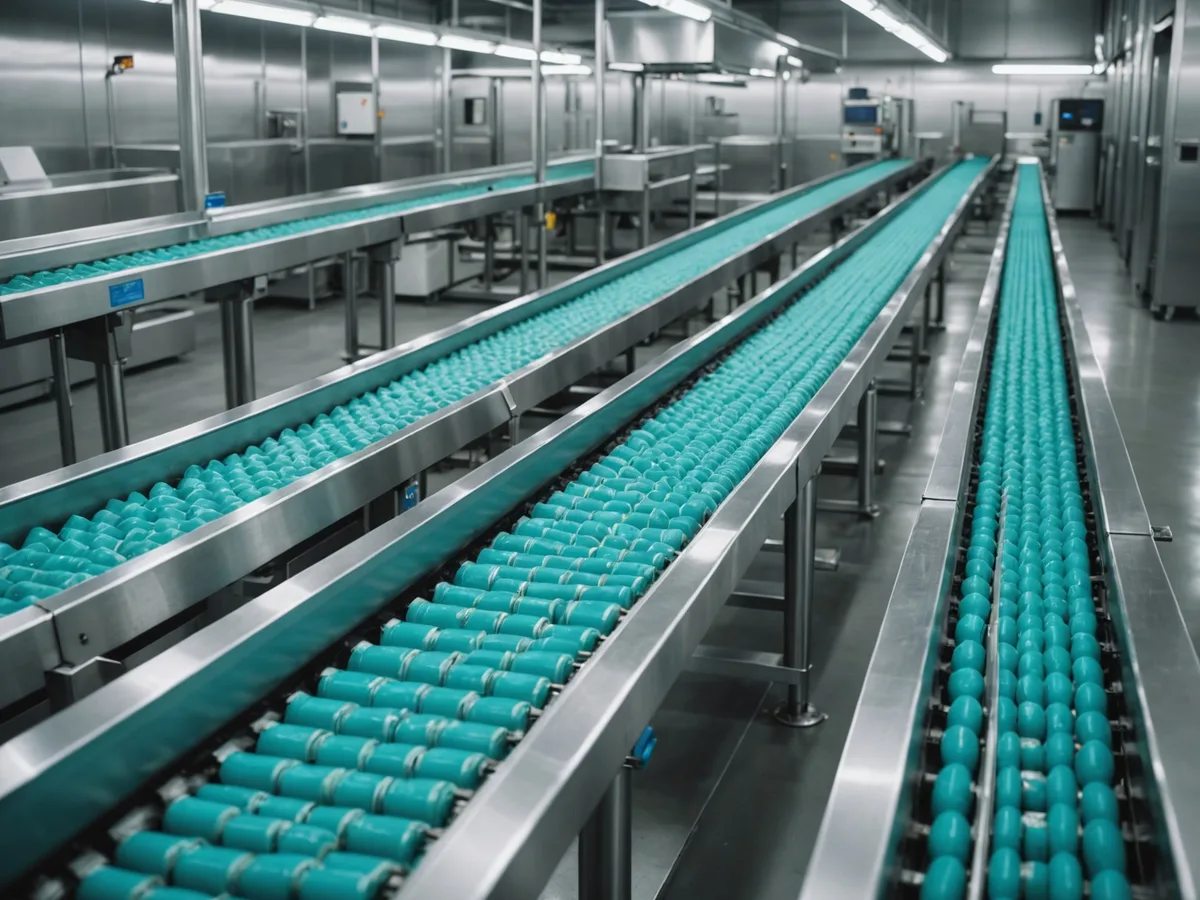
Know when a line needs more or less input
When a line falls behind, Terrantic checks spare capacity on nearby lines and proposes a reroute. Operators receive a plain-language recommendation, not another dashboard to decipher.
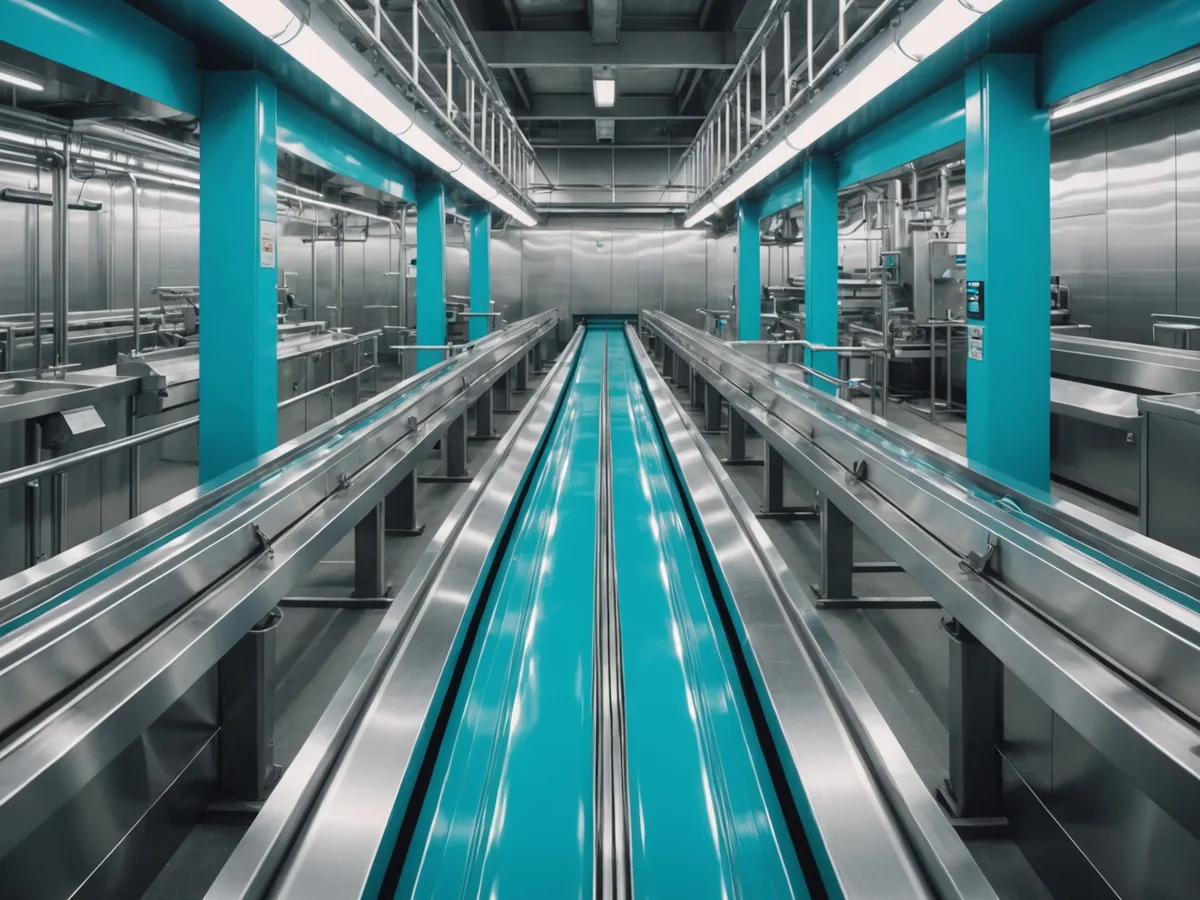
A structured summary before the morning meeting
At shift close, Terrantic reports where yield went, which lines drifted most, and what rerouting saved. The morning review can begin with production facts.
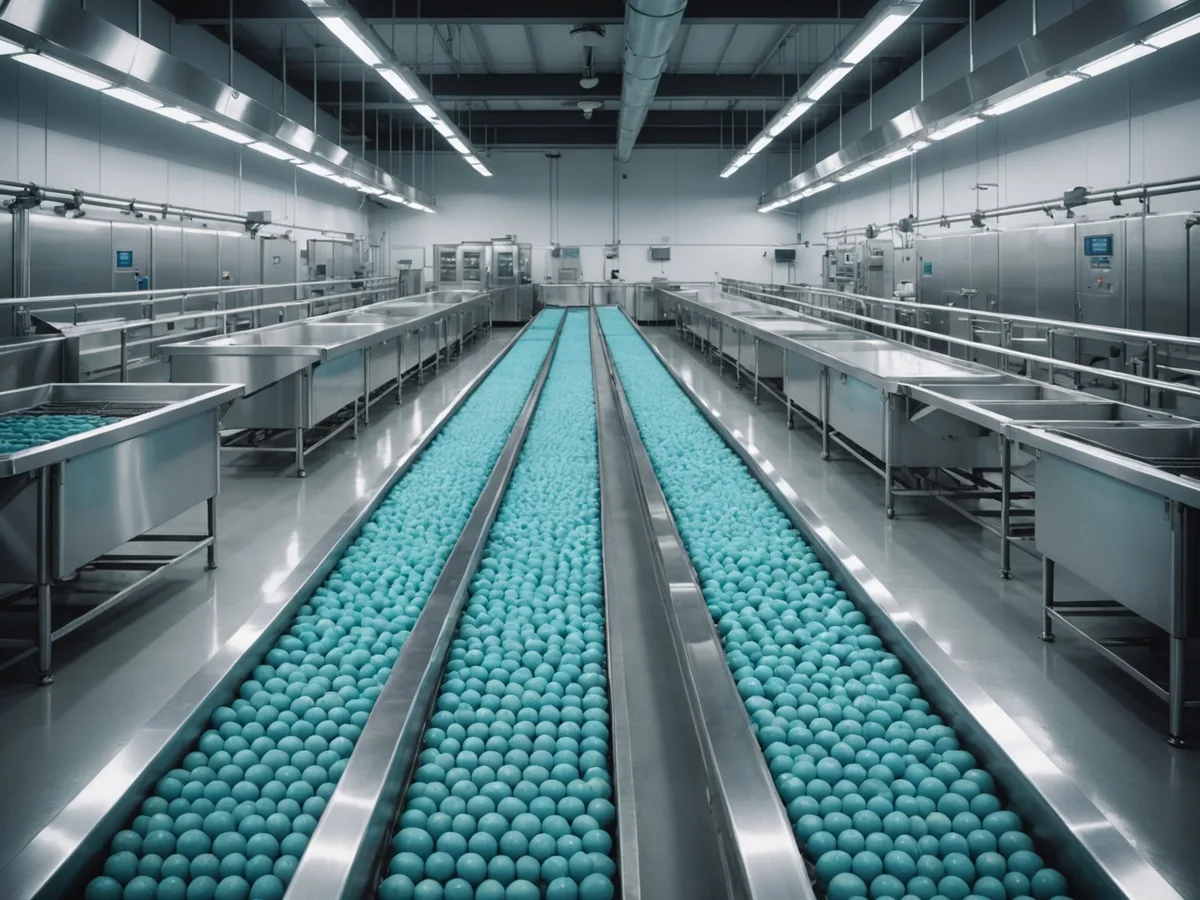
How Terrantic reaches the processing floor
Terrantic reads your current instruments. Integration with existing SCADA and PLC infrastructure typically takes 2-3 days, with no new hardware.
Bring in sensor and scale data
Connect weight sensors, conveyor monitors, and optical sorters through OPC-UA or MQTT. No new hardware or PLC changes are needed.
Watch each line's state
The AI learns normal yield patterns by line and product type. A deviation registers within one processing cycle.
Send a focused alert
The operator terminal or mobile device shows the line, the drift, and what to check. No dashboard interpretation is needed before acting.
Adjust, then recover yield
The operator follows the recommendation. Terrantic records the result, improves its model, and carries the context into the next shift.
What pilot partners saw in early access
These results come from facilities in our current pilot cohort. We keep the group small and choose early partners carefully.
We had known for months that Line 3 was losing yield, but no number made the case. Within a week, Terrantic measured it and showed the team where to investigate.
The morning review is different now. Rather than sort through manual logs, the team gets a one-page account of each overnight line. That made the integration worthwhile.
Pilot first. No contract to sign.
Each facility begins with a free 60-day pilot on one processing line. Measure yield on your own floor before making a commitment.
- Live yield monitoring for one line
- Daily shift debriefs
- Implementation help included
- Complete report at pilot close
- Everything in Pilot
- Monitor every processing line
- Reroute guidance and recommendations
- Cold-chain transition monitoring
- Monthly performance review
- Everything in Single Facility
- Compare yield across facilities
- Dedicated customer operations contact
- Custom integration support
See the pricing page for full details and feature comparisons.
Keep more of the next harvest
Processing yield loss is harvest that never earns its value. Terrantic shows where it went and helps operators recover it before shift's end.