
About

Built by people tired of seeing yield vanish at shift change

Terrantic began in 2025 in Salinas, California, at the heart of a region supplying much of the country's fresh produce. The problem is visible here.

No harvested food should be wasted because the right line went unwatched

Fresh produce processing moves fast and carries high stakes. A facility running 8 lines at full capacity makes thousands of micro-decisions per shift. Yet line data stays mostly hidden until day's end, after the loss is fixed.

Terrantic closes that gap by connecting to a facility's existing instruments, creating a real-time yield view across every line, and giving operators actionable information while the same batch can still recover yield. The morning debrief should begin with facts, not reconstructed estimates.

We are bootstrapped, based in Salinas, and building with a small group of early-access facilities in California and the Pacific Northwest. We are not making a tool for every industry. We are focused on one problem in one facility type, and will not move on until it works.

The team behind Terrantic

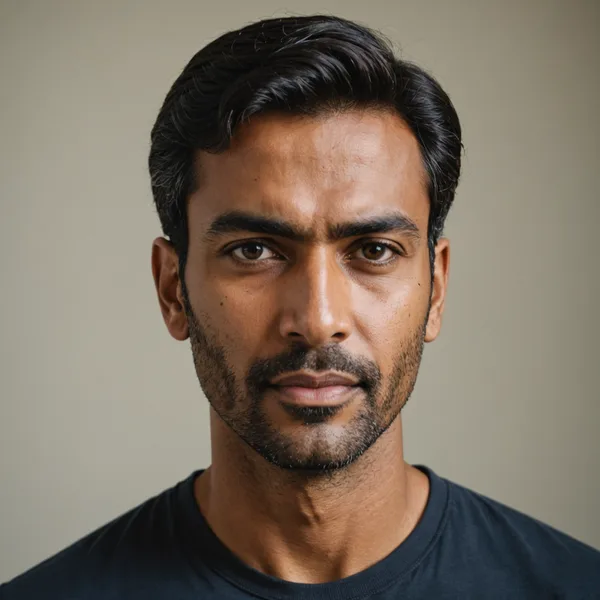
Krishna Srinivasan
Krishna Srinivasan
CEO & Co-Founder

Built data systems for agricultural supply chains and food logistics, focusing on plant-floor yield tracking and production data pipelines. Repeatedly saw the same visibility gap and created Terrantic to close it.

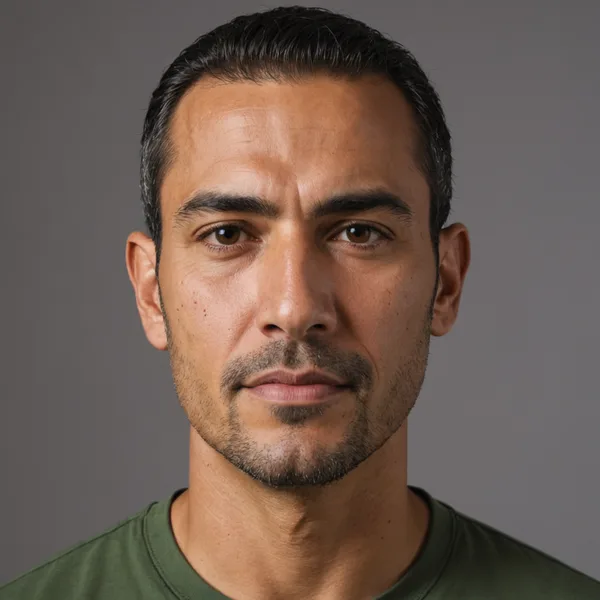
Diego Vargas
Diego Vargas
CTO & Co-Founder

Worked on real-time ML inference and edge-computing pipelines for industrial monitoring, including sensor-data integration and distributed alerts. Wrote Terrantic's original edge collector, central to its data pipeline.

Priya Nair
Priya Nair
Head of Customer Operations

Has worked inside fresh-produce processing facilities, managing production data workflows and operator training programs. Runs Terrantic's pilot program, including implementation support, threshold calibration, and monthly performance reviews. Facilities in the current cohort know her name before they know the dashboard.

The problem was in plain sight

Krishna and Diego met while working alongside the same produce supply chain. Krishna was on logistics, seeing data arrive too late. Diego was on control systems, seeing facilities generate sensor streams that no one was reading in real time.

The usual reason given for not building this sooner is the difficulty of connecting to industrial control systems without disrupting production. Diego saw it differently: the connection problem was solved. OPC-UA has been standard for decades. What was missing was an analytical layer calibrated to fresh-food processing lines, rather than generic manufacturing.

Terrantic launched its first pilot in late 2025 with a packhouse in the Salinas Valley. The results were clear enough to expand the cohort. Priya joined in early 2026 to run the customer side as we scaled. We are currently in 12 lines across several facilities and accepting applications for the next cohort.

Still small, still building

The best way to understand our work is to talk with us. We have room for a small number of new facilities in the current cohort.